Dear Reader, GlobalGadding has no sponsored content, just genuine advice. Some links may be affiliate links at no extra cost to you. See our Disclosure Policy for more information.
Planning a Norway road trip is really about getting the balance right.
It is the kind of trip that looks unbelievably scenic on paper, but it also needs a bit more logistical thought than many first-timers expect.
Distances are longer than they seem, seasons can change what route is even possible, and the decisions you make early on will shape whether the trip feels exciting and realistic or rushed and far more expensive than you planned.
That was one of the biggest things we realised ourselves.
Once we knew how many days we had, what season we were travelling in, and that we wanted an Oslo-to-Oslo loop, the rest of the planning started to make much more sense. We booked the car early because prices were high, and from there the route became much easier to build around.
So if you are trying to work out where to start, this is the order we would follow to plan a Norway road trip that actually works.
Quick Answer: How Do You Plan A Norway Road Trip?
We would plan a Norway road trip in this order:
- decide how much time you really have
- choose the right season first
- work out the shape of the route
- book your rental car once those first decisions are locked in
- be realistic about driving times
- choose your key overnight stops
- check ferries, seasonal roads and practical costs
- build in breathing room before you finalise anything
If you get those steps in the right order, planning a Norway road trip feels much clearer and much less overwhelming.

Step 1: Decide How Much Time You Really Have
The first thing we would do is work out how many full road-trip days we actually have, not just how many nights to plan for a Norway road trip.
That makes a bigger difference here than people often expect. A route can look perfectly reasonable on paper, but once you start factoring in slower roads, ferries, scenic stops and the fact that you will not want to drive flat out all day, the trip can start feeling much tighter than it first seemed.
It is also worth being honest about your flight times. If you are away for 7 nights but do not arrive until late afternoon on the first day, that is probably not a proper sightseeing or driving day.
The same applies at the end of the trip if you have an earlier flight home and need to return the car.
So in practice, 7 nights does not always mean 7 full days. Quite often, it means 6 or even fewer, depending on the timings.
That is what starts to show you what kind of trip is realistic. A shorter Norway road trip usually needs to be a more selective highlights route, while a longer trip gives you much more room for a fuller loop that does not feel rushed.
So before choosing stops or sketching out a route, we would get honest about the time first. In Norway, that one decision shapes almost everything that comes after it.
Step 2: Choose The Right Season First
The season shapes the whole trip much more than people often expect.
A Norway road trip in July is not the same trip as a Norway road trip in March. The weather is different, the daylight is different, and some routes that work well in summer are simply not realistic at other times of year.
That is why timing your Norway trip around weather and daylight matters before you become attached to a particular route.
If you want the widest choice of scenic roads and the easiest road-trip conditions, summer is usually the simplest time to go. Shoulder season can be quieter and beautiful in its own way, but some higher roads and smaller summer ferries may still not be running.
Winter is a completely different kind of trip again, with more limited road options and a much bigger driving challenge.
We did our own Norway road trip in the second half of June, and even then, it was obvious how much the timing of the trip shapes what is actually possible.
That is why we would choose the season before getting attached to a route. Some scenic and higher roads are seasonal, so if those are part of the trip you want, they need checking early rather than later.
We would check current road openings and mountain-pass conditions through Statens vegvesen before building those routes into the itinerary.
In Norway, the season does not just shape the experience. It shapes what kind of road trip is possible in the first place.
Step 3: Work Out What Kind Of Route You Actually Want
Once we know how much time we have and what season we are travelling in, the next step is deciding what kind of Norway road trip we actually want.

This is where it helps to stop thinking about Norway as one big wishlist. Instead, we would narrow it down by asking what kind of trip actually fits us best:
- a fjord-focused route if the dream is classic western Norway scenery
- a southern highlights loop if we want a mix of cities, fjords and scenic roads
- a northern route if we are more drawn to the Arctic north and places like Lofoten
It also helps not to let glossy photos make all the decisions for you. A lot of people start with the most beautiful images in books, Pinterest, or Instagram, but that does not always mean those places are the right fit for the trip you actually want to plan.
Norway can look unbelievably dramatic online, often in perfect weather and perfect light, but the reality will not always look like that when you get there. So before pinning somewhere just because it looks stunning in a photo, it helps to ask whether it genuinely fits your route, season, and priorities.
That makes the rest of the planning much easier. Instead of pinning everything at once, you start shaping the trip around the kind of Norway road trip you actually want.
For us, this is the point where the route starts to feel more focused. Once you know what matters most, it becomes much easier to leave other things out without feeling like you are planning it wrong.
Step 4: Book Your Rental Car Once Those First Decisions Are Locked In
Once we knew how many days we had, what season we were travelling in, and that we wanted an Oslo-to-Oslo loop, booking the car was the next thing we did.
That made sense for two reasons. First, we already knew enough about the shape of the trip to know what kind of rental we needed. Second, the prices were high, so leaving it later did not feel like a risk worth taking.
In Norway, the vehicle is not something we would leave until the end. If you know you are doing a road trip, it is one of the big pieces that shapes both the cost and the flexibility of the trip.
It also helps to understand how to book a car for a Norway road trip before comparing vehicles and prices.
At that point, we would think about:
- booking early for better prices and better vehicle choice
- whether a standard car, EV or campervan actually suits the trip you want
- the fact that EV charging is much easier in Norway than many first-timers expect
- whether you want a normal road trip or a more flexible camper-style trip
So for us, once the time, season, and route shape were clear, the car was one of the first big things to lock in.

Step 5: Be Realistic About Driving Times
This is the step where it helps to stop thinking like you are planning a motorway-heavy road trip somewhere else.
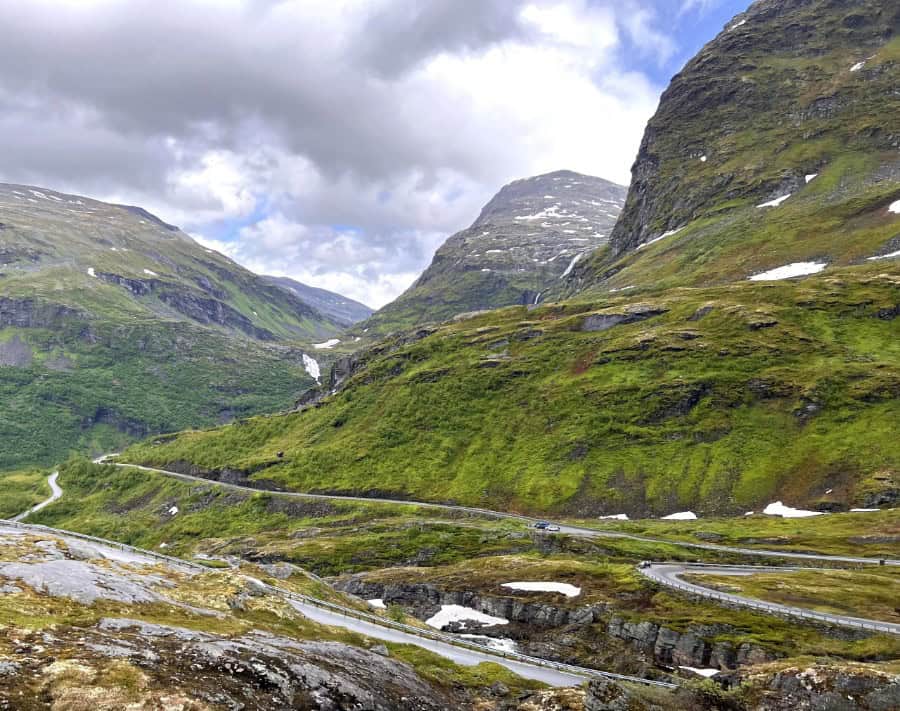
In Norway, a drive that looks quite manageable on Google Maps can feel very different once you are actually doing it. What looks simple on the map often takes longer in real life because:
- speed limits are often lower than many visitors expect
- narrower and more winding roads naturally slow the day down
- ferries, viewpoints and photo stops all affect timing
- Google Maps does not show how the day will actually feel once all of that is added in
It is worth reading our tips for long drives, tunnels and winding roads in Norway before deciding how much driving to include each day.
For us, that means being wary of overloading any day that looks too easy on the map.
That is why we would keep daily distances more modest than we might in other countries.
In practice, Norway works much better when you accept that the road trip will move at a slower pace and plan for that from the start.
Step 6: Choose Your Start Point And Key Overnight Stops
Once we had the car booked and a more realistic sense of how the driving days would feel, the next step was choosing the start point and the overnight stops that make a Norway trip smoother.
This is where a Norway road trip starts to come together properly. The start point affects the shape of the whole route, and the overnight stops are not just places to sleep. They are what decide whether the trip feels sensible or exhausting.
At this point, we would focus on:
- what city or region makes the best starting point
- the places that break up the driving well
- the areas we most want time in
- the overnight stays that make the next day’s route easier
- the stops that are worth locking in earlier, especially in summer
That matters even more in Norway because some areas, especially around the fjords, can get booked up much earlier than people expect. If the key stop that makes your route work is full, the whole shape of the trip can start shifting around it.
So rather than booking lots of random nights all at once, we would start with the point the route is built around, then the overnight stops that hold it together. Once those are in place, the rest of the trip becomes much easier to build around.
Step 7: Check Ferries, Seasonal Roads And Practical Costs
Before we would call the route finished, we would do one last check to make sure it still works properly in real life, not just on paper.
This is the point where it helps to look at the practical things that can quietly change the day. A ferry crossing might fit perfectly into the route until you realise you need to allow time for ferry logistics for a self-drive trip in Norway.
A road might look like the obvious way through until you notice it is seasonal. A route that felt fine at first can also start to look less straightforward once you begin budgeting for tolls, fuel and parking on the route.
For official information on how Norway’s automated toll system works, we would also check AutoPASS before travelling.
That does not mean the route is wrong. It just means this is the stage where you stop looking at the trip as a simple line on a map and start asking whether it still feels realistic once the practical side is added in.
For us, this is the check that turns a rough route into something we would actually feel confident booking.
So before finalising anything, we would look again at ferry crossings, road openings, and the likely day-to-day costs, just to make sure the trip still works the way we think it does.
Step 8: Build In Breathing Room
This is the point where we would stop asking whether the route is possible and start asking whether it still feels enjoyable.
A Norway road trip can look absolutely fine on paper right up until you realise every day is packed too tightly. Then all it takes is a change in weather, a longer stop somewhere beautiful, a slower road than expected, or a delay at a ferry, and the whole day starts feeling more pressured than it should.
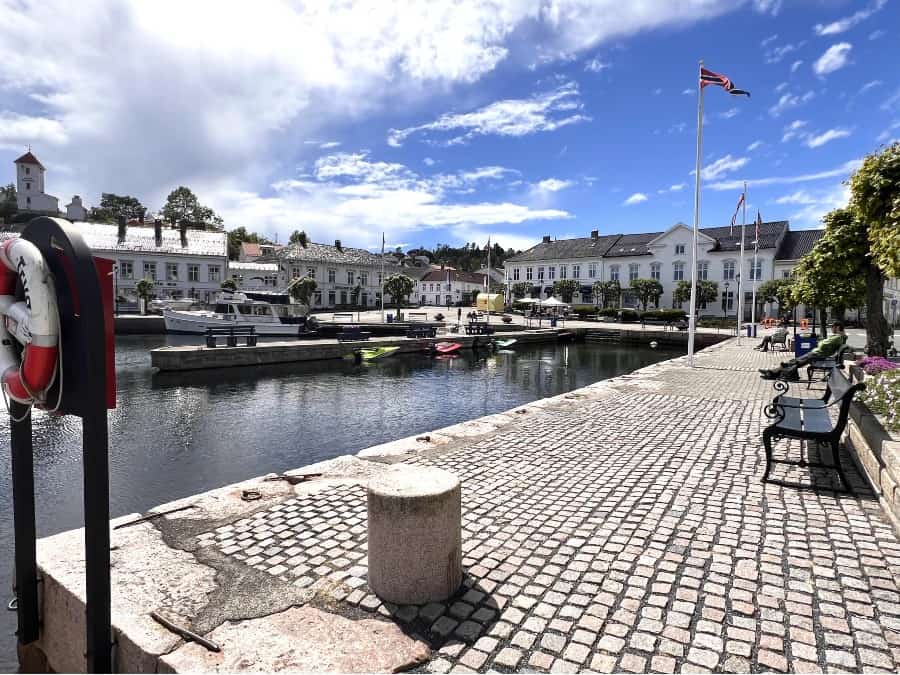
That is why we would always leave more space than we think we need. Not because Norway is difficult, but because it is the kind of place where you will want the freedom to slow down, pull over, and actually enjoy where you are.
It is also worth thinking honestly about what trip length feels least rushed in Norway before finalising the route.
For us, that breathing room is what makes the difference between a route that is technically doable and one that still feels good while you are living it.
So before finalising the trip, we would look at it one last time and ask whether there is enough slack in the plan for weather, viewpoints, slower roads, and the kind of stops that are often the best part of the day.
Before You Start Locking Things In
Once you have the planning order clear, it helps to step back and check the wider practical picture before you start confirming cars, accommodation and overnight stops.
Our guide to what to know before locking in a Norway route covers the main decisions and practical details worth understanding before you commit to the trip.

Meet Angela
Angela is the founder and writer of GlobalGadding, a travel resource for road-trip lovers and independent travellers.
She’s explored 40+ countries, and road tripped across New Zealand, Alaska, Australia, Canada, UK, Sri Lanka, USA, Namibia, and Europe.
She creates detailed, easy-to-follow itineraries that take the stress out of planning. Her mission is to help readers craft their own self-drive trips.